 053-217-726
 yandbdentalclinic@gmail.com
Dental Bridge
A dental bridge is a fixed dental restoration used to replace one or more missing teeth by bridging the gap between adjacent natural teeth or dental implants. It consists of one or more artificial teeth, called pontics, that are anchored to the neighboring natural teeth or dental implants. Dental bridges are designed to restore the functionality and appearance of the smile.
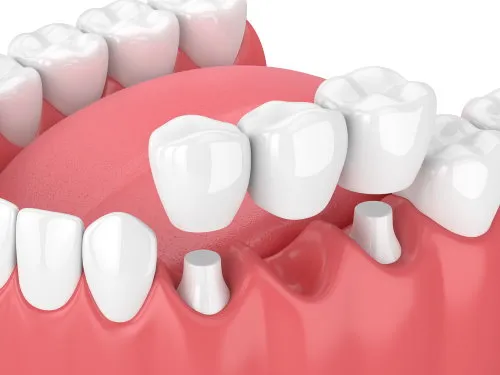
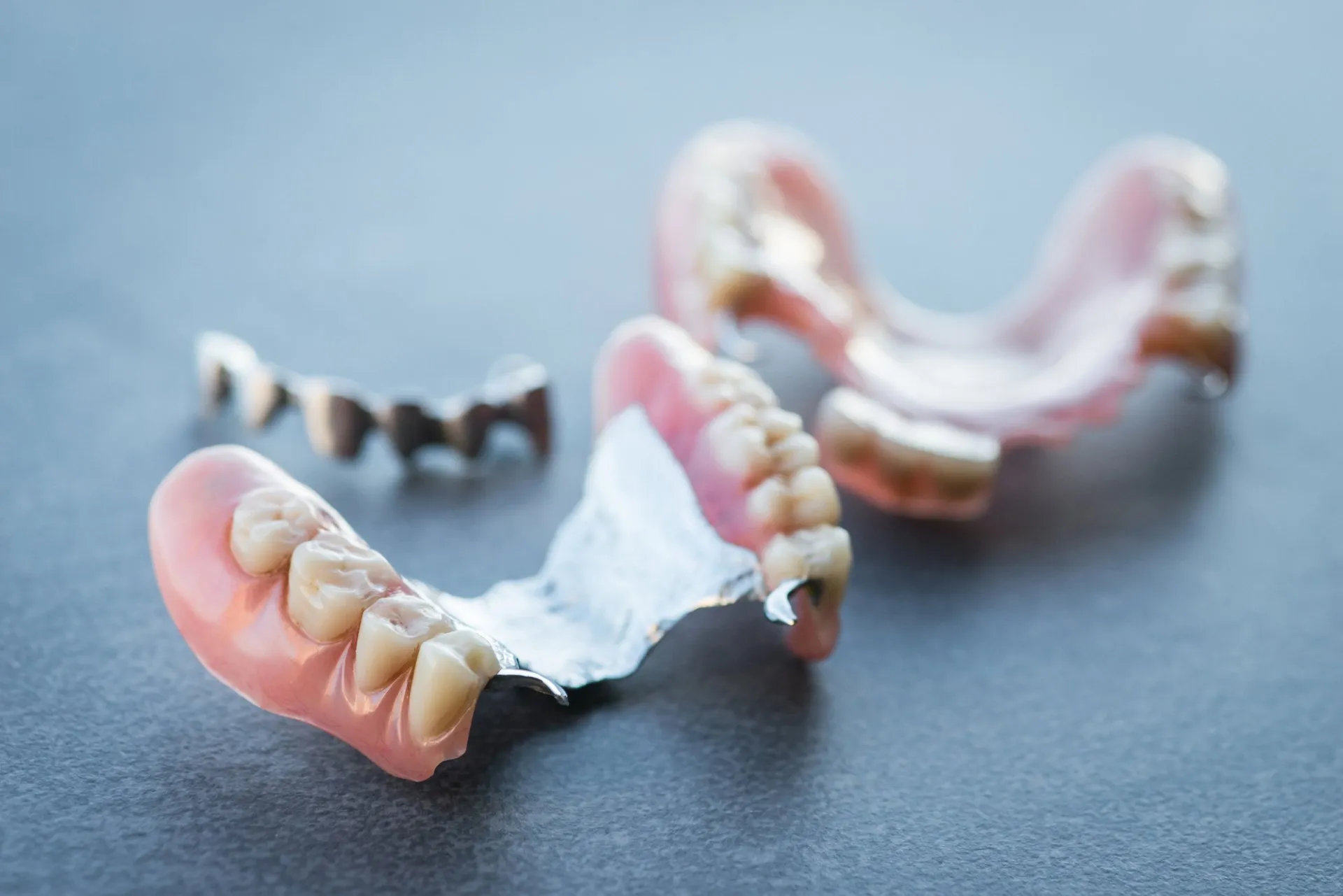
Types of Dental Bridges:
- Traditional Bridge: This is the most common type of bridge. It involves creating a crown for the tooth or implant on either side of the missing tooth and placing the artificial tooth in the middle.
- Cantilever Bridge: In this type, the artificial tooth is supported by a dental crown on only one side of the gap.
- Maryland Bridge (Resin-Bonded Bridge): This bridge uses metal or porcelain wings bonded to the back of adjacent teeth, eliminating the need for crowns.
Materials:
- Porcelain-Fused-to-Metal (PFM): A combination of metal and porcelain is used to create a durable and aesthetically pleasing bridge.
- All-Ceramic or All-Porcelain: These bridges provide a more natural appearance, as they do not contain any metal. They are often preferred for front teeth.
Procedure:
The process typically involves two or more dental appointments.
- During the first appointment, the adjacent teeth (abutments) are prepared by removing a portion of their enamel to accommodate the crowns that will hold the bridge.
- Impressions are taken to create a mold for the bridge.
- A temporary bridge may be placed to protect the prepared teeth.
- In the subsequent appointment, the custom-made bridge is fitted, adjusted, and permanently cemented in place.
Benefits:
- Restores the ability to chew and speak properly.
- Maintains the shape and alignment of the face.
- Prevents the remaining natural teeth from shifting out of position.
- Enhances the appearance of the smile.
Care and Maintenance:
- Regular oral hygiene practices, including brushing and flossing, are essential to maintain the health of the bridge and surrounding teeth.
- Regular dental check-ups are important to monitor the condition of the bridge and address any issues promptly.
Longevity:
- The lifespan of a dental bridge depends on factors such as oral hygiene, the materials used, and the location in the mouth. With proper care, bridges can last for many years.
Dental bridges are a common and effective solution for replacing missing teeth. However, the suitability of a bridge depends on individual factors, and a thorough examination by a dentist is necessary to determine the best treatment plan for each case.