 053-217-726
 yandbdentalclinic@gmail.com
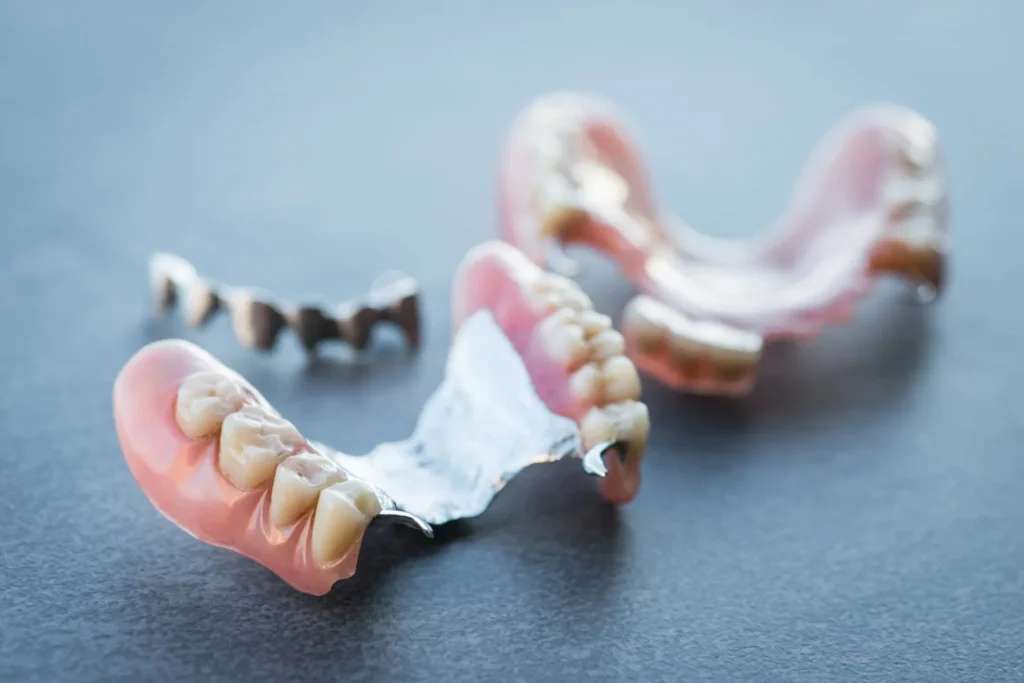
Temporary Dental Bridge
A temporary dental bridge is a provisional or interim bridge that is placed in the mouth for a temporary period while a permanent bridge is being made. It serves several purposes during the dental restoration process:
A temporary bridge protects the exposed gums and prepared teeth while the permanent bridge is being fabricated in a dental laboratory. This helps prevent sensitivity and discomfort.
It provides a temporary solution to replace missing teeth, improving the appearance of the smile during the waiting period.
A temporary bridge helps maintain the proper spacing and alignment of adjacent teeth, preventing them from shifting before the permanent bridge is placed.
While not as durable as a permanent bridge, a temporary bridge allows patients to chew more comfortably than if there were no replacement for missing teeth.
It helps in maintaining proper speech patterns by providing support for the tongue and lips.
The temporary bridge allows the dentist and the patient to evaluate factors such as fit, comfort, and aesthetics before the placement of the permanent bridge.
The process of getting a temporary bridge typically involves the following steps:
If necessary, the dentist prepares the abutment teeth (the natural teeth on either side of the gap) by removing a portion of their enamel.
Impressions or molds of the prepared teeth are taken to create an accurate model for the fabrication of the temporary bridge.
Using the impressions, a temporary bridge is created from acrylic or other provisional materials. The dentist may make adjustments to ensure a proper fit.
The temporary bridge is then temporarily cemented or fixed in place to the prepared teeth.
It’s important to note that a temporary bridge is not as robust as the permanent one, and certain precautions are necessary during its use. Patients are usually advised to avoid eating sticky or hard foods on the side of the mouth with the temporary bridge to prevent damage.
The temporary bridge will be replaced with the permanent bridge once it is ready. Regular follow-up appointments with the dentist are essential to monitor the temporary bridge’s condition and ensure a smooth transition to the permanent restoration.