 053-217-726
 yandbdentalclinic@gmail.com
DENTAL VENEERS
Dental veneers are thin shells of tooth-colored material, usually made of porcelain or composite resin, that are custom-designed and bonded to the front surface of teeth. This cosmetic dental procedure is often done to improve the appearance of teeth by addressing issues such as discoloration, stains, chipped teeth, misalignment, or gaps between teeth.
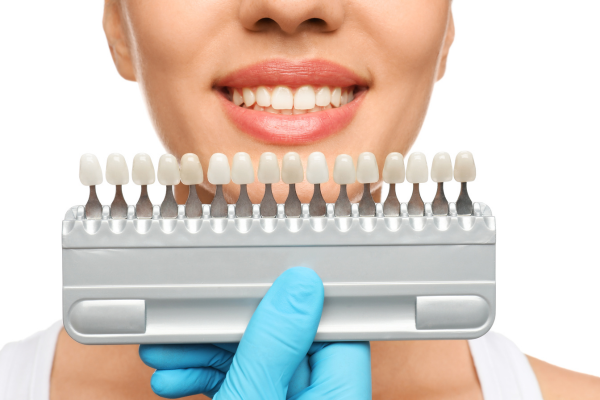
The process of getting veneers typically involves several steps:
Your dentist will examine your teeth, discuss your goals, and determine if veneers are a suitable option for you.
A small amount of enamel is usually removed from the front surface of the teeth to make room for the veneers. This is to ensure a proper fit and alignment.
Impressions or molds of your teeth are taken and sent to a dental laboratory where the veneers are custom-made.
In some cases, temporary veneers may be placed on your teeth while the permanent ones are being fabricated.
Once the veneers are ready, your dentist will check their fit and color before permanently bonding them to your teeth using a special adhesive. A curing light may be used to harden the adhesive quickly.
Veneers can provide a natural-looking and durable solution for improving the aesthetics of your smile. They are stain-resistant and can last for many years with proper care.
It’s important to note that while veneers can enhance the appearance of teeth, they may not be suitable for everyone, and the decision to get veneers should be made in consultation with a qualified dentist. Additionally, good oral hygiene practices, including regular brushing, flossing, and dental check-ups, are essential to maintain the health and longevity of veneers.
Ceramic (Porcelain) Veneers
Ceramic veneers, also known as porcelain veneers, are thin shells of ceramic material that are custom-made to cover the front surface of a tooth. These veneers are designed to enhance the appearance of teeth by improving their color, shape, size, or length. Ceramic veneers are popular in cosmetic dentistry for their natural appearance and durability. Here are some key points about ceramic veneers:
Ceramic veneers are made from porcelain, a type of ceramic material that closely resembles natural tooth enamel. Porcelain is known for its translucency, which allows it to mimic the light-reflecting properties of natural teeth.
Each ceramic veneer is custom-designed to match the shape and color of your natural teeth. This customization ensures a seamless and natural-looking result.
Porcelain is highly resistant to stains, providing a long-lasting and aesthetically pleasing solution for improving the appearance of teeth.
The process of getting ceramic veneers typically involves multiple steps. It starts with a consultation where your dentist will discuss your goals and evaluate whether veneers are the right option for you. A small amount of enamel may be removed from the front of the tooth to make room for the veneer. Impressions are taken, and the veneers are fabricated in a dental laboratory. Once ready, the veneers are bonded to the teeth using a strong adhesive.
Ceramic veneers are known for their durability and can last for many years with proper care. They are resistant to chipping and wear.
One of the key advantages of ceramic veneers is their ability to replicate the appearance of natural teeth. The material reflects light in a way that closely resembles natural tooth enamel.
While ceramic veneers are resistant to stains, it’s important to maintain good oral hygiene practices to ensure the longevity of the veneers. Regular brushing, flossing, and dental check-ups are essential.
Ceramic veneers are often recommended for individuals looking to address cosmetic issues such as discoloration, gaps, misalignment, or worn-down teeth. As with any dental procedure, it’s important to consult with a qualified dentist to determine the most appropriate treatment plan for your specific needs.