 053-217-726
 yandbdentalclinic@gmail.com
Metal Braces
Metal Braces
Metal braces, also known as traditional braces, are a common and effective orthodontic treatment for correcting various dental issues, including misaligned teeth, overcrowding, and bite problems.
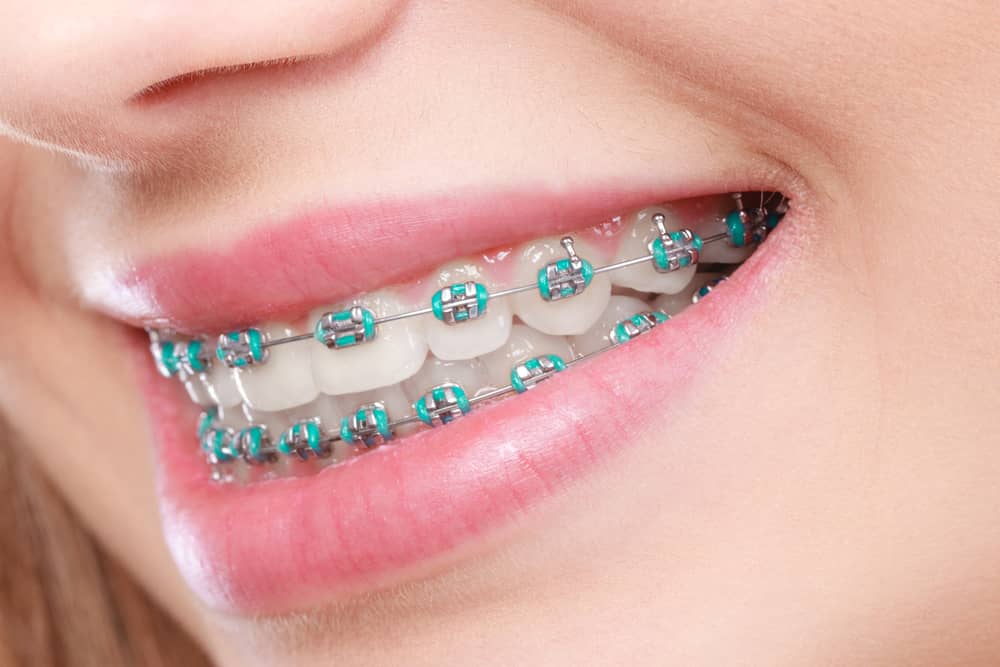
Metal braces consist of the following components:
Brackets:
Small metal brackets are attached to each tooth using a special adhesive. These brackets serve as anchors for the other components of the braces.
Bands:
Metal bands, also called bands or wires, encircle the back molars and are connected to the brackets with tiny rubber bands or wires.
Archwire:
A thin, flexible metal wire runs through each bracket and applies pressure to the teeth. This pressure is what gradually moves the teeth into their desired positions.
Elastics (Rubber Bands):
Some cases may require the use of rubber bands to help correct the alignment of the upper and lower jaws or address specific bite issues.
Procedure for Metal Braces:
Consultation:
An orthodontist evaluates the patient’s oral health, takes X-rays, and develops a treatment plan according to the individual’s needs.
Brace Placement:
During the placement appointment, the brackets are attached to the teeth using a strong adhesive. The archwire is then threaded through the brackets and secured in place.
Adjustments:
Regular follow-up appointments are scheduled for adjustments. During these visits, the orthodontist may tighten or change the archwire, adjust bands, or make other modifications to continue guiding the teeth into the correct positions.
Maintenance:
Oral Hygiene:
Maintaining good oral hygiene is crucial during orthodontic treatment. Patients need to brush and floss carefully around the brackets and wires to prevent plaque buildup and tooth decay.
Dietary Restrictions:
Certain foods, such as sticky or hard items, may need to be avoided to prevent damage to the braces.
Duration of Treatment:
The length of time a person wears metal braces varies depending on the complexity of the orthodontic issues. Treatment typically lasts from one to three years.
While metal braces are highly effective, they can be more visible than other orthodontic options. Some patients may experience mild discomfort or soreness after adjustments, but this usually subsides within a few days.
Overall, metal braces remain a popular choice for orthodontic treatment, especially for cases requiring more extensive correction. Advances in orthodontic technology have led to smaller, more comfortable brackets and a variety of colored bands for personalization. Patients interested in orthodontic treatment should consult with an orthodontic professional to determine the most suitable option for their specific needs.